American Express offers several cards designed for people who spend regularly on restaurants, groceries, takeout, delivery, and everyday household purchases.
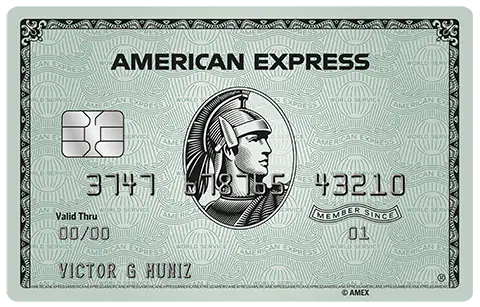
For many cardholders, dining and groceries are two of the most consistent monthly spending categories. Choosing the right Amex card can help turn those routine expenses into cash back, Membership Rewards® points, or long-term travel value.
This 2026 guide compares some of the top American Express cards for dining and grocery spending, helping you decide which option may fit your financial lifestyle.
American Express® Gold Card
The American Express® Gold Card is one of the strongest Amex cards for people who spend heavily on restaurants and groceries. It is especially useful for cardholders who prefer earning Membership Rewards® points instead of simple cash back.
Apply for Your CardThis card can be a strong fit for people who dine out often, order takeout, use food delivery services, or spend consistently at U.S. supermarkets. The rewards structure makes it appealing for everyday spending while still supporting future travel redemptions.
For users who want to build points toward flights, hotels, or other travel-related redemptions, the Gold Card can be one of the most practical choices in the Amex ecosystem.
Who it’s for: People who spend frequently on restaurants, groceries, takeout, and food delivery.
Key Perk: Strong Membership Rewards® earning potential on dining and U.S. supermarket purchases.
Blue Cash Preferred® Card
The Blue Cash Preferred® Card is one of the best Amex options for households that want cash back instead of travel points. It is especially attractive for families or individuals who spend a meaningful amount each month at U.S. supermarkets.
The card also offers value beyond groceries, including cash back on select streaming subscriptions, U.S. gas stations, and transit purchases. This makes it a practical everyday card for people who want straightforward savings across several household categories.
Unlike rewards points, cash back is easier to understand for many users. Instead of thinking about transfer partners or travel redemptions, cardholders can focus on reducing their statement balance with Reward Dollars.
Who it’s for: Families, households, and budget-focused users who want strong grocery cash back.
Key Perk: High cash back potential at U.S. supermarkets and on select everyday expenses.
Blue Cash Everyday® Card
The Blue Cash Everyday® Card is a strong choice for users who want grocery rewards without paying an annual fee. It offers useful cash back categories for everyday spending, including U.S. supermarkets, U.S. online retail purchases, and U.S. gas stations.
This card may be a better fit for people who want simple rewards without committing to a premium card. It is also useful for beginners who are building a credit card setup and want a practical option for groceries, gas, and online shopping.
While the earning rates may not be as high as the Blue Cash Preferred® Card, the lack of an annual fee can make it more appealing for moderate spenders.
Apply for Your CardWho it’s for: Budget-conscious users who want grocery and everyday cash back without an annual fee.
Key Perk: Simple cash back on U.S. supermarkets, U.S. online retail purchases, and U.S. gas stations.
American Express® Green Card
The American Express® Green Card is not mainly a grocery card, but it can be useful for people who spend often on restaurants, travel, and transit. It may work well for users who eat out regularly and also spend on commuting, flights, hotels, rideshare, or public transportation.
For someone who wants rewards on dining but does not need the premium lifestyle benefits of higher-fee cards, the Green Card can be a flexible option. However, users who spend more on groceries than travel may find stronger value with the Gold Card or one of the Blue Cash cards.
Who it’s for: People who spend on restaurants, travel, transit, and everyday movement.
Key Perk: Flexible Membership Rewards® earning on dining, travel, and transit categories.
Amex EveryDay® Credit Card
The Amex EveryDay® Credit Card may appeal to users who want Membership Rewards® points without a high annual fee. It is a simpler option compared with premium cards, but it can still help cardholders earn points from regular purchases.
This card can be useful for people who want to enter the Membership Rewards® ecosystem but do not spend enough on dining or groceries to justify a higher-fee card. It may not be the strongest standalone choice for heavy food spending, but it can work for lighter users who prefer points over cash back.
Apply for Your CardWho it’s for: Users who want a simple way to earn Membership Rewards® points from everyday spending.
Key Perk: Access to the Membership Rewards® program with a more basic card structure.
How to Choose the Best Amex Card for Dining and Groceries
Choosing the right American Express card depends on how you spend, how you prefer to redeem rewards, and whether you are comfortable paying an annual fee.
Dining vs. Grocery Spending: If you spend heavily at restaurants and supermarkets, the American Express® Gold Card may offer stronger long-term value. If groceries are your main priority, the Blue Cash Preferred® Card may be easier to justify.
Cash Back vs. Points: Cash back is simple and direct. Membership Rewards® points may offer more flexibility, especially for users who know how to redeem points for travel.
Annual Fee Tolerance: Premium cards can offer stronger rewards, but only if your spending is high enough to offset the annual fee. Lower-fee or no-annual-fee cards may be better for moderate spenders.
Household Budget: Families who spend consistently on groceries, gas, streaming, and transit may prefer the Blue Cash Preferred® Card. Users who want a no-annual-fee option may prefer the Blue Cash Everyday® Card.
Travel Goals: If your goal is to collect points for flights or hotels, the Gold Card may be more useful than a cash back card. If your goal is simple monthly savings, a Blue Cash card may be a better match.
Frequently Asked Questions
Which Amex card is best for dining?
The American Express® Gold Card is one of the strongest Amex cards for dining because it is designed to reward restaurant spending, takeout, and food-related purchases.
Apply for Your CardWhich Amex card is best for groceries?
The best card depends on whether you prefer points or cash back. The American Express® Gold Card can be strong for users who want Membership Rewards® points, while the Blue Cash Preferred® Card can be strong for users who prefer cash back at U.S. supermarkets.
Is the Blue Cash Preferred® Card better than the Gold Card?
It depends on your goals. The Blue Cash Preferred® Card may be better for users who want simple cash back, especially on groceries and household expenses. The Gold Card may be better for users who want flexible points that can support travel redemptions.
Is the Blue Cash Everyday® Card worth it?
Yes, it can be worth it for users who want grocery, gas, and online retail cash back without paying an annual fee. It may be especially useful for moderate spenders or people who want a simple everyday card.
Do Amex grocery rewards work at all stores?
Not always. Many Amex grocery rewards apply specifically to U.S. supermarkets. Purchases at superstores, warehouse clubs, specialty markets, or certain online merchants may not qualify in the same way. Always review the official terms before relying on a rewards category.
Methodology
Our editorial team reviewed American Express cards that offer meaningful value for dining, groceries, food delivery, supermarkets, and everyday household spending.
We compared rewards structures, annual fees, redemption flexibility, cash back potential, Membership Rewards® earning opportunities, and practical value for different types of cardholders.
Because card offers, fees, credits, and reward categories may change, readers should verify the full terms and conditions on the official American Express website before choosing a card.
Choosing the best Amex card for dining and groceries depends on your monthly spending habits. The right card should match how often you eat out, how much you spend at supermarkets, whether you prefer points or cash back, and how comfortable you are with an annual fee.
Apply for Your Card